
Coordination and Advocacy
Working Together, Delivering as One for Greater Impact

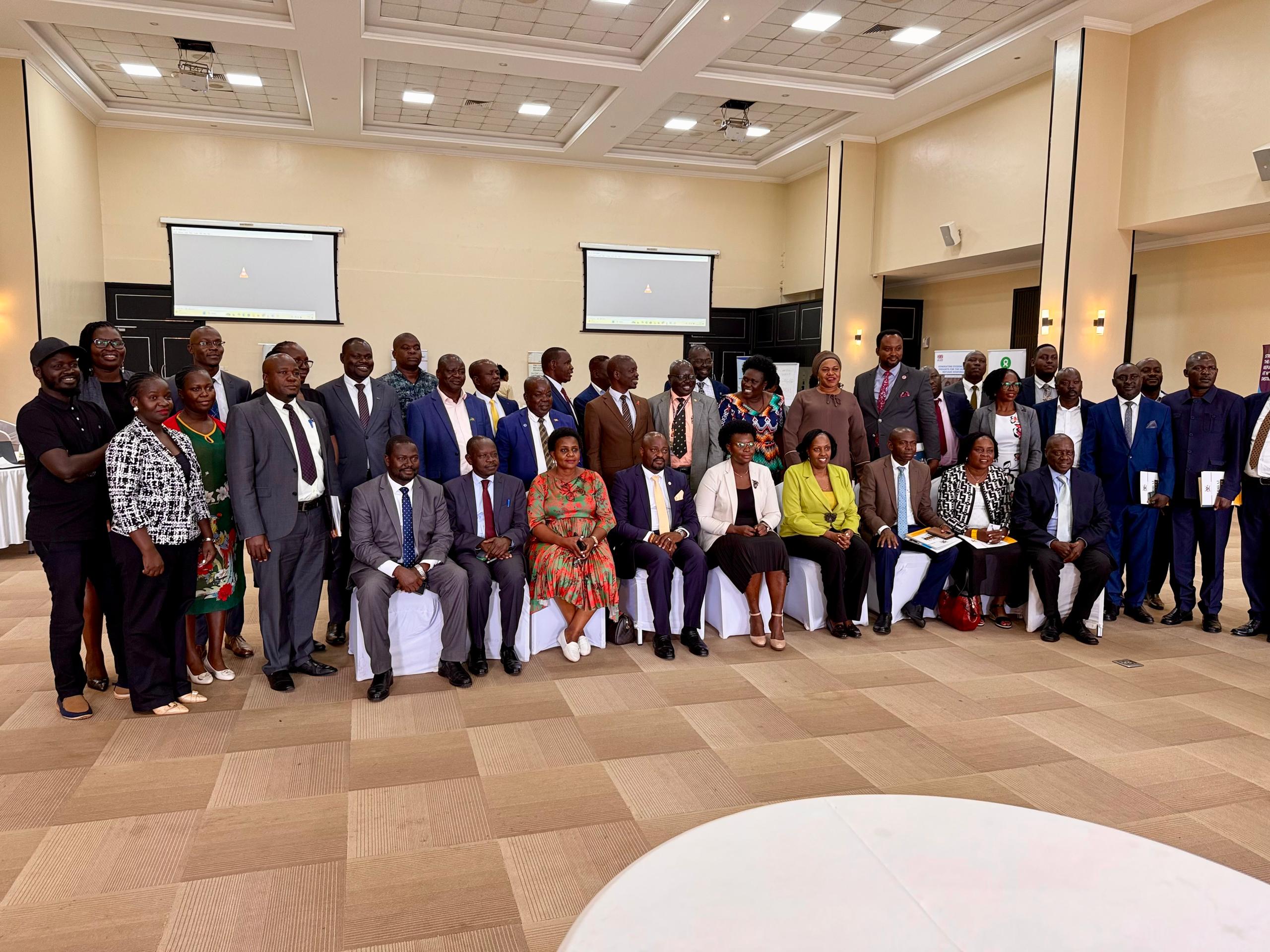
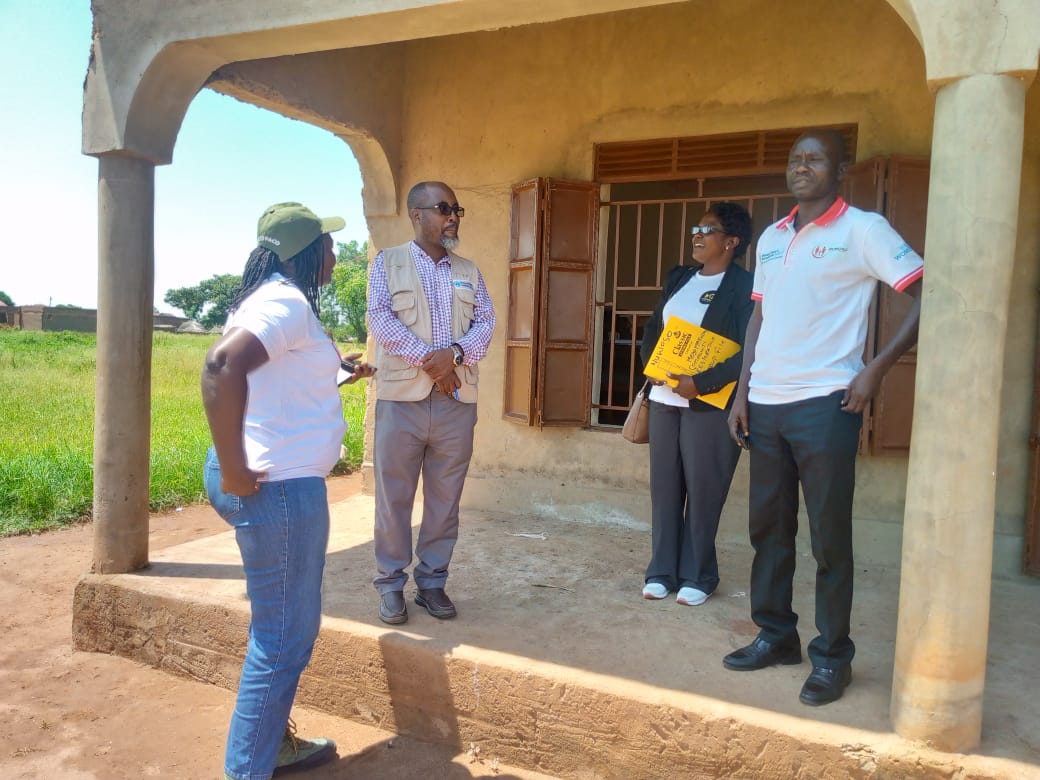
NUWOSO works through a coordinated and collaborative approach to deliver its seven mandates and respond to the priorities of the communities we serve. Partnership is the heartbeat of our success. We work alongside a diverse network of NGOs, civil society organizations, and donor agencies to amplify our impact. These alliances allow us to leverage expertise, share best practices, and build a unified front for advocacy and humanitarian coordination across Uganda. We also work with government, communities, cultural and religious leaders, and other partners to bring together diverse expertise, resources, and perspectives. Our coordination activities ensure that resources are utilized effectively, avoiding duplication and reaching the most vulnerable women and children. By leading stakeholder forums and cluster meetings, we foster a collaborative environment where local knowledge meets national strategic goals. Our programmes are implemented through local structures. At the community level, we work with the MegoMakwiny, WegoMakwiny, and Bullo Maluwiny groups, alongside community leaders and other local structures, to identify priorities, strengthen local solutions, and promote collective action. These platforms enable us to share knowledge and evidence, strengthen referral and response systems, identify gaps, coordinate interventions and collectively influence decisions and policies that affect women, children and vulnerable communities. Since 2020, NUWOSO has hosted the Acholi Humanitarian Platform, providing a space for humanitarian actors in the Acholi Sub-Region to coordinate, share information, discuss emerging needs and strengthen a more coherent response to communities affected by humanitarian and development challenges. NUWOSO also contributes to national and regional coordination through the National GBV Coordination Working Group, National Child Protection Working Group, National Nutrition Working Group, Charter for Change, Feminist Humanitarian Platform, Malaria and Childhood Illness NGO Network (MACIS), and GBV and Child Protection coordination structures. At district level, we participate in the Agago District Taskforce, connecting community priorities with government planning and action. NUWOSO has provided leadership within coordination mechanisms, including serving as the Chair Organisation of the Charter for Change Working Group Uganda from 2024 to 2025. Through these platforms, we contribute to collective advocacy, policy dialogue, localisation and stronger coordination of humanitarian, development and peacebuilding efforts.
Our Advocacy Priorities
NUWOSO's advocacy is rooted in the realities and priorities of the communities we serve. We work with communities, government, cultural and religious leaders, civil society, and other actors to influence policies, practices, social attitudes, and systems that affect the rights and well-being of women, Girls and children. Our advocacy work is rooted in the belief that those closest to the challenges are best equipped to drive solutions. We empower local women leaders to advocate for their rights, addressing systemic barriers to justice, land ownership, and economic participation. Through grassroots mobilization, we transform individual voices into a powerful collective movement for social change.

Our advocacy focuses on three key areas
1. Social and Cultural Norm Change
We advocate for changes in harmful social and cultural norms that limit the rights, opportunities and participation of women and girls. This includes addressing norms and practices that create barriers to:
-
Women's economic empowerment, including access to and control over resources, livelihoods, land and economic opportunities.
-
Equal access to health care, including the social and cultural barriers that prevent women and girls from accessing appropriate health and reproductive health services.
-
Women's meaningful participation and leadership, including their participation in household, community and public decision-making.
-
Prevention and response to gender-based violence, by challenging attitudes and practices that normalise violence, discrimination and unequal power relations.
-
Girls' education, including equal access to school, continued attendance and completion, where social expectations and early marriage may limit their opportunities.
-
Protection of children's rights, including harmful practices and attitudes that undermine children's safety, dignity, development and access to services.
We engage communities and influential leaders to question harmful practices, promote positive alternatives and create environments where women and girls can participate, lead and exercise their rights.
2. Localisation and Locally Led Action
NUWOSO advocates for a more locally led humanitarian and development system in which local organisations and affected communities have meaningful voice, leadership and influence in decisions that affect them.
Our localisation advocacy promotes stronger recognition of local knowledge and capacities, equitable partnerships, meaningful participation of local actors in coordination and decision-making, and greater investment in locally led solutions.
Through our leadership and participation in coordination platforms, including the Charter for Change and the Acholi Humanitarian Platform, we bring local perspectives into wider discussions on humanitarian action and the Humanitarian–Development–Peace Nexus. We advocate for approaches that place communities and local actors at the centre of identifying priorities, designing solutions, implementing responses and measuring change.
3. Human Rights, Protection and Good Governance
NUWOSO advocates for the protection, promotion and fulfilment of human rights, particularly the rights of women and Girls, children and other vulnerable groups.
We advocate for the implementation and enforcement of laws, policies and standards that protect people from violence, discrimination and exclusion. We promote accountability among duty bearers and advocate for responsive institutions, equitable access to services, protection systems and good governance.
Our work includes advocacy on women's rights, children's rights, gender equality, protection from violence and exploitation, access to justice and Health, accountability, participation and inclusion.
We engage communities and duty bearers to understand rights and responsibilities, identify gaps in implementation and take action to address violations and barriers to services. We use community dialogue, evidence, stakeholder engagement, coordination platforms and policy advocacy to bring issues from communities into decision-making spaces.
Engagement with stakeholders at all levels, from district local governments to international development partners and UN agencies, is key to our advocacy strategy. We provide evidence-based reports and policy recommendations that influence decision-making processes. By bridging the gap between community realities and policy frameworks, to ensure that the needs of Uganda's women are prioritized on the national agenda.
Photo Gallery


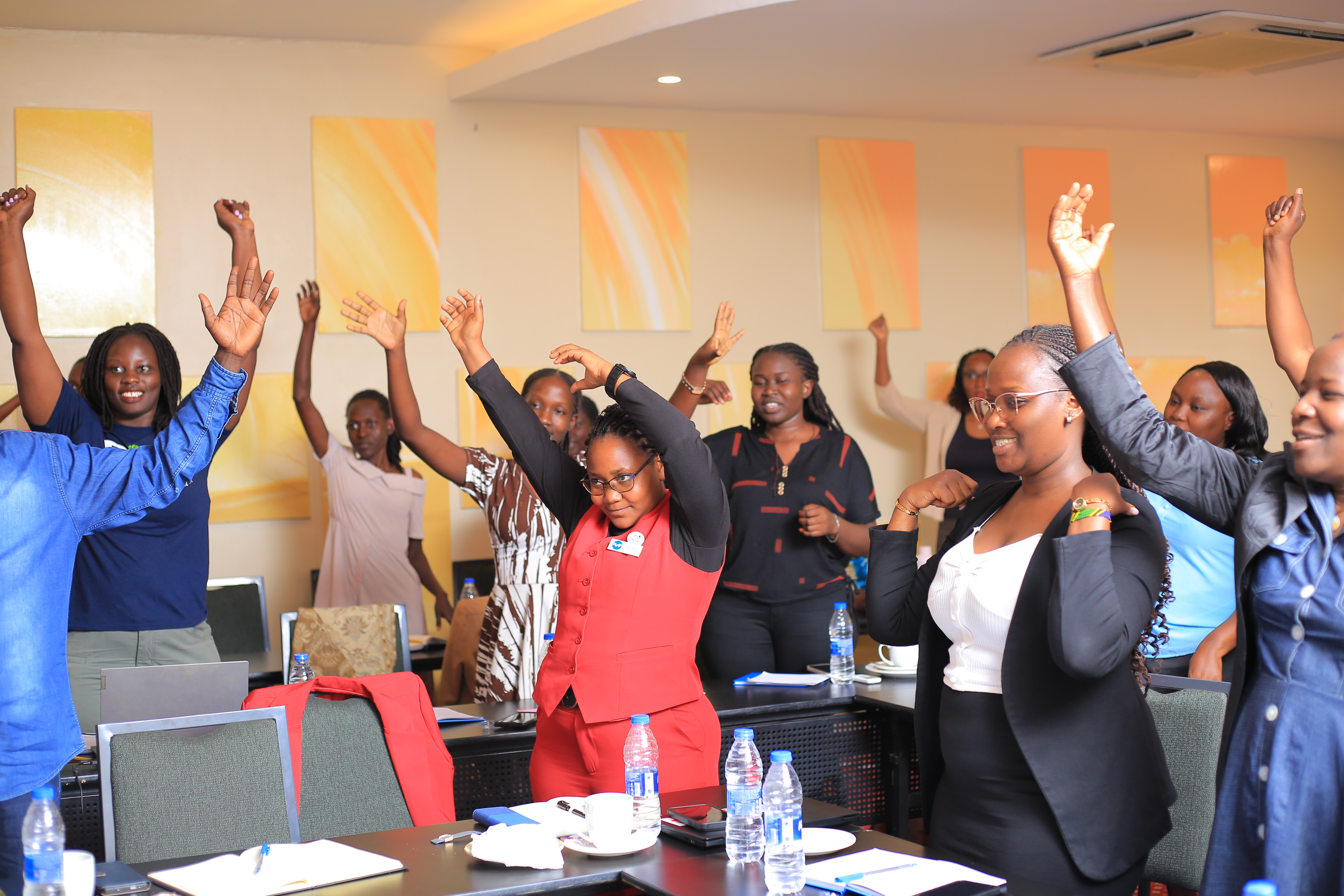
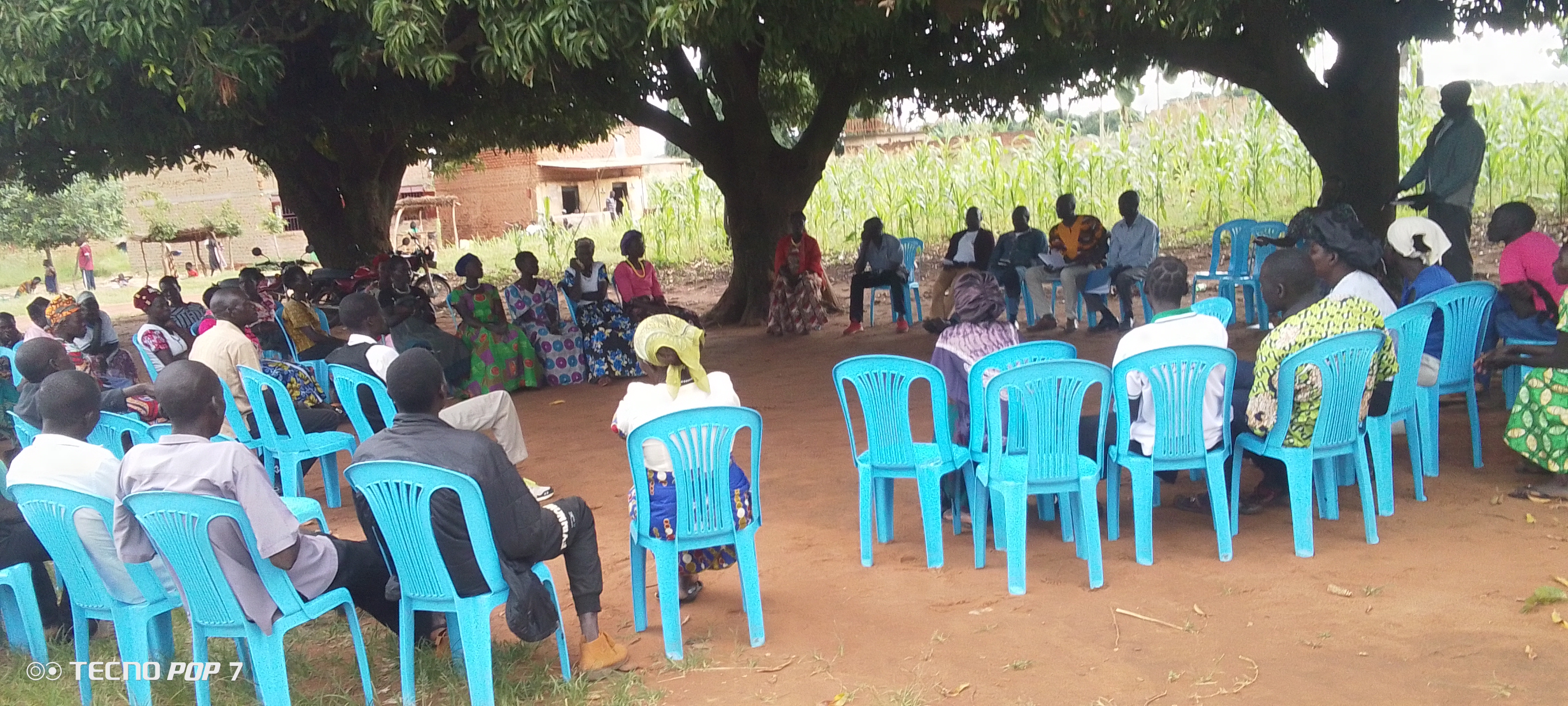
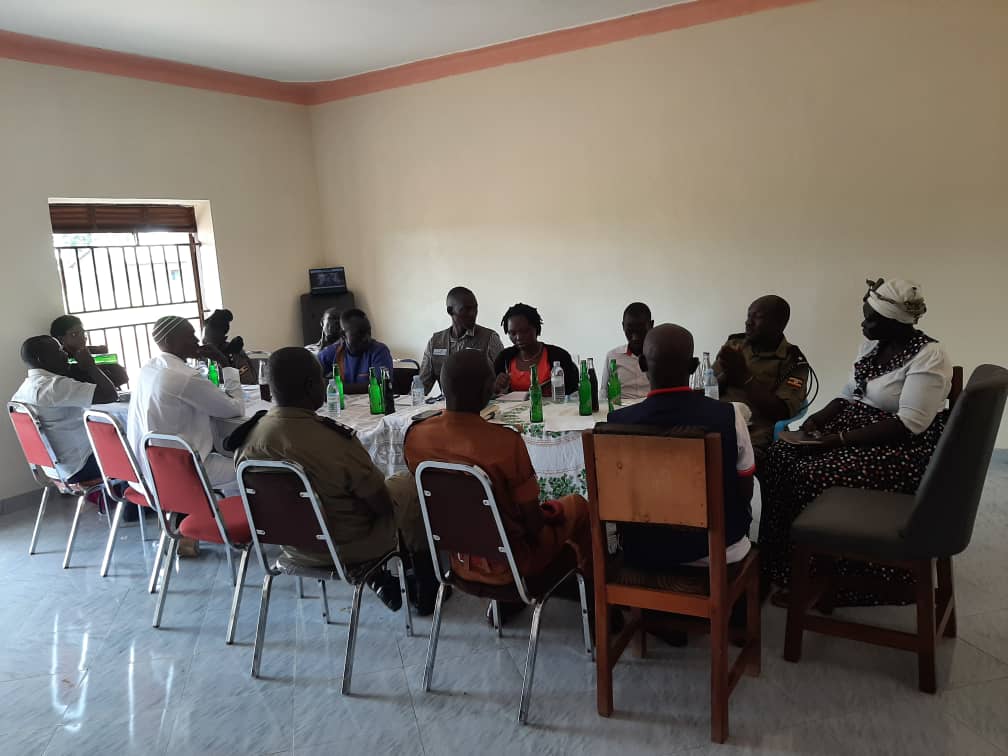
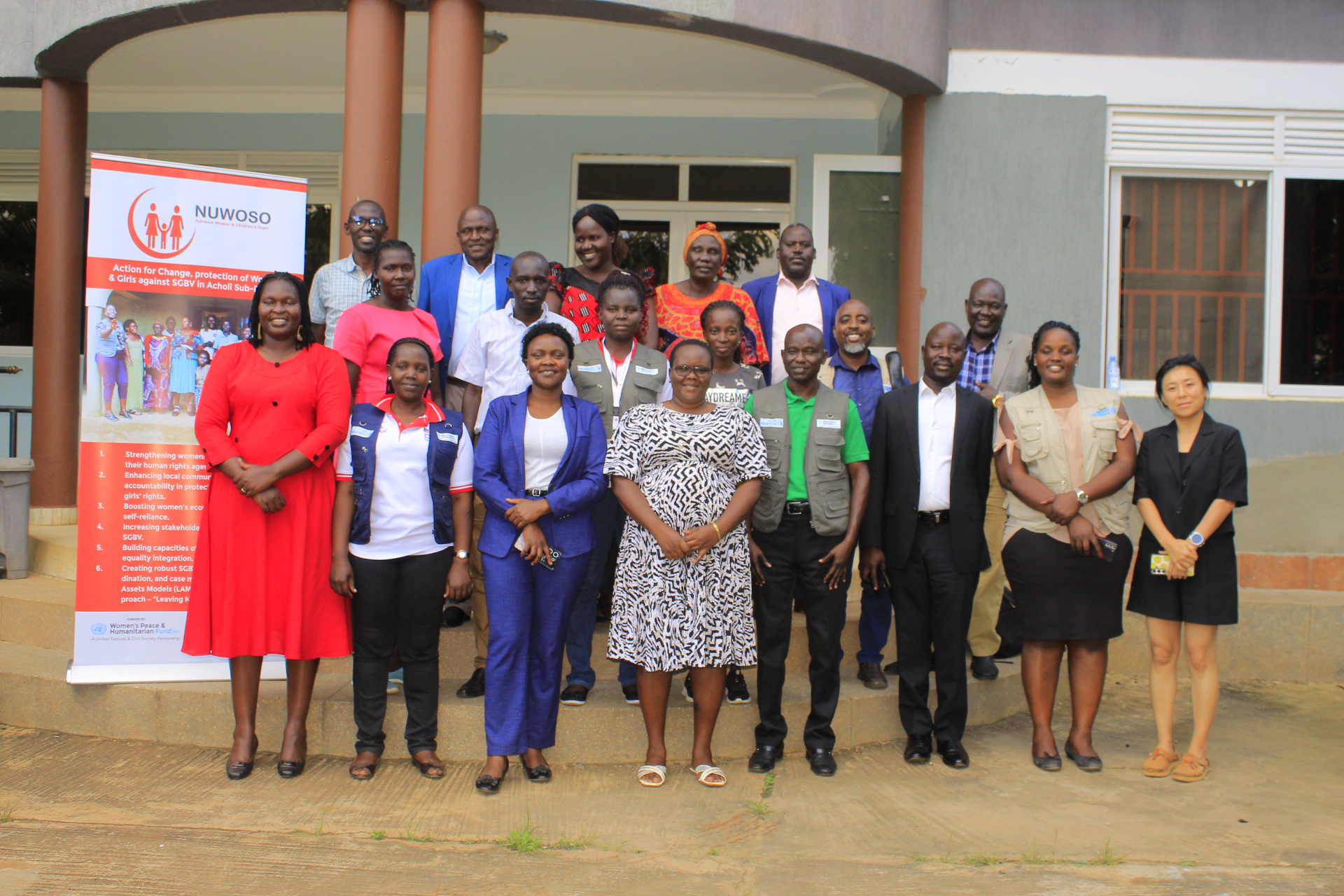
Key Stakeholders & Partners
Women Peace Humanitarian Fund
Strategic partner in advancing protection, gender equality, and resilience for women and girls affected by conflict and humanitarian crises.
UN Women Uganda
Strategic partner advancing women’s rights, gender equality, and protection for women and girls affected by conflict and humanitarian crises.
Local and Central Goverment
Strategic partners strengthening community protection, service delivery, policy implementation, and sustainable development for women and children.
MegoMakwiny Community Restorative Groups
Community partner advancing women’s collective action, rights, protection, and economic resilience through women-led community groups.
Annual Reports & Impact Documents
Access our coordination activities, stakeholder engagement summaries, and community progress reports from the field.
📄
Annual Impact Report 2023
Published: January 2024 | Coordination & Advocacy Highlights
📑
Stakeholder Engagement Strategy
Policy Framework | Community Coordination Guidelines
📊
Advocacy Lab Field Report
Regional Advocacy | Community Field Work Data